Discussion Notes:  Public Forum on Climate Change, Its Impacts and Potential Youth-Led Solutions

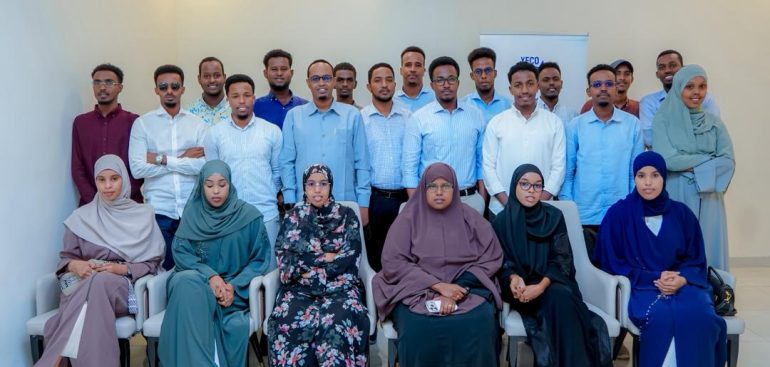
On 28 March, 2026 — YECO Somalia, with its local partner organization, Nabaad (formerly known as CRSC), convened a public forum on climate change in Mogadishu. The forum brought together a diverse group of stakeholders to critically examine the underlying causes, far-reaching impacts and potential impacts of the climate crisis in Somalia. The event was characterized by dynamic engagement between sector-expert speakers and YECO Somalia’s Local Climate Champions (LCCs), and created a participatory space. Through discussions, LCCs were able to deepen their understanding of climate change while contributing valuable insights drawn from their lived realities and community-based experiences. 

The forum featured a panel of sector experts specializing in climate policy, environmental management, and social development. Their contributions provided a comprehensive overview of the evolving climate landscape in Somalia, linking global climate trends with local vulnerabilities. A defining feature of the discussion was the active dialogue between our Local Climate Champions and the experts, where participants moved beyond passive listening to critically engage with the issues presented. 

Our Local Climate Champions raised a number of pressing and context-specific questions, reflecting the realities faced within their communities. They inquired about practical strategies for mitigating the effects of recurring droughts and floods, approaches to restoring degraded land, and mechanisms for influencing local and national climate policy. LCCs also expressed concerns regarding limited access to resources, inadequate climate information systems, and the challenges of mobilizing communities toward sustainable environmental practices. 

In response, panel members provided nuanced and actionable insights. They emphasized the importance of integrating indigenous knowledge with scientific approaches to climate adaptation, highlighting that locally driven solutions often yield the most sustainable outcomes. Panelists underscored the need for community-based natural resource management, improved early warning systems, and the adoption of climate-resilient agricultural practices. Furthermore, they stressed the importance of strengthening institutional frameworks and enhancing collaboration between communities, government bodies and development partners. 

Key findings from the discussion included: 

  • Participants collectively recognized that climate change in Somalia is both a structural and immediate challenge, driven by global environmental shifts and exacerbated by local environmental degradation 
  • It was observed that the impacts of climate change, particularly drought, flooding, and land degradation, are intensifying vulnerabilities, disrupting livelihoods and contributing to displacement and resource-based conflicts 
  • Importantly, the forum highlighted a gap between policy frameworks and grassroots implementation, underscoring the need for stronger linkages between national strategies and community-level action. 

Panel members shared a range of best practices aimed at strengthening climate resilience. These included promoting reforestation and sustainable land management, investing in water conservation and harvesting techniques, diversifying livelihoods to reduce dependence on climate-sensitive sectors, and leveraging platforms for climate education and awareness. The importance of youth engagement was repeatedly emphasized, with experts noting that empowering young people as climate leaders is essential for driving long-term, transformative change. 

The forum concluded with a set of forward-looking recommendations and calls to action: 

  • The forum emphasized the need to strengthen climate governance and ensure the effective implementation of existing policies 
  • The forum called for increased investment in community-led adaptation initiatives and greater inclusion of youth and women in decision-making processes 
  • The importance of building partnerships across sectors and enhancing access to climate financing and technical was also highlighted as critical to scaling impact. 
Project Announcement: Empowering the Next Generation to Address Climate Change in Somalia

Somalia faces significant challenges in fostering inclusive and democratic political processes. Despite some gains in authority after al-Shabaab’s decline, resource competition and unresolved grievances have led to increased inter-communal conflict. Disputes over power and resource allocation among different government levels hinder stable governance.

The complex democratic landscape is further complicated by ongoing civil war, clan disputes, and extremist threats. Climate change poses additional risks due to Somalia’s reliance on agriculture in a semi-arid environment. Youth engagement in climate initiatives is limited by unemployment, educational barriers, and exclusion from decision-making, exacerbating marginalization.

With over 70% of the population under 30, youth involvement is crucial, as feelings of frustration and inequity have led many to join militias or seek opportunities abroad. Empowering this demographic could turn them into a valuable asset for the country’s future.

With the emergence of climate change, the youth have not been given a priority to embrace mitigations to climate change. Climate change in Somalia is characterized by recurrent drought and regular flooding which leads to failed crops, loss of livestock and Somalia’s chronic food insecurity. Climate crises threaten Somalia’s socio-economic progress by increasing water and food scarcity, the need for humanitarian assistance, displacement and the degradation of traditional livelihoods.

The young people have not received any awareness and sensitization to climate change. There’s a need to enhance awareness and understanding of climate change among the population, especially the youth in Somalia may not be fully aware of the causes, consequences and potential solutions related to climate change and do not have the knowledge and skills in dealing with climate change hence there is need to empower, and build their capacity on how to deal with climate change.  

In response to that, Youth Empowering Council (YECO) Somalia with the funds from the United Nations Democracy Fund (UNDEF), launched a new project entitled on “Empowering the Next Generation to Address Climate Change in Somalia”.

The project will establish four networks, comprising 40 climate champions across four districts, enhance their climate change literacy and awareness, and empower them to lead awareness campaigns for youth and communities, influence and adjust local and national policies, and implement adaptation initiatives in four districts. By providing comprehensive education and resources, the project equips youth from four districts with the knowledge and skills needed to become informed advocates and leaders in the fight against climate change.

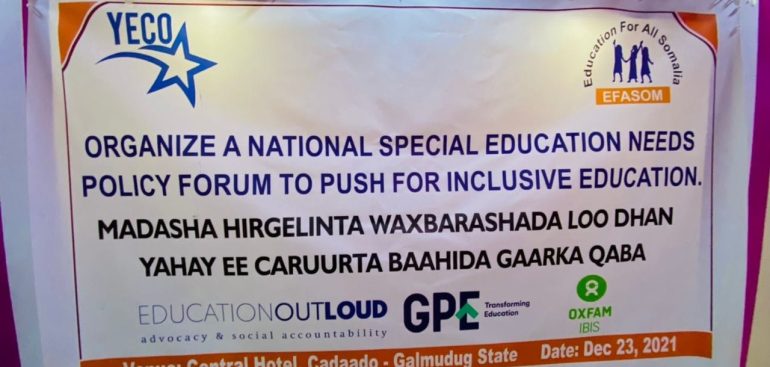
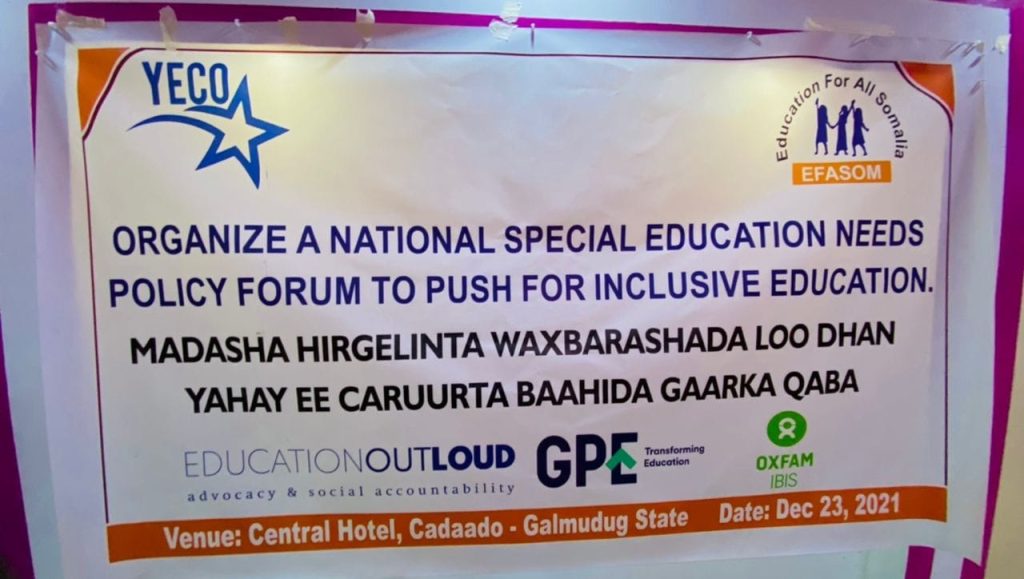
Organize a National Special Education Forum to Push for Inclusive Education

Inclusive education is a fundamental right that ensures every child, regardless of their abilities, has equal access to quality education. To advocate for inclusive education and address the needs of students with disabilities, Youth Empowering Council (YECO), in collaboration with Education for All Somalia (EFASOM) and OXFAM Netherlands, organized a National Special Education Needs Forum. Supported by funds from the Global Partnership for Education (GPE) under the Education Outloud Project (EOL) Phase I, the forum took place in Cadaado, bringing together key stakeholders to push for inclusive education practices.

The Forum commenced with the participation of esteemed stakeholders. The event was inaugurated by the Cadaado district education officer, who expressed the district’s commitment to inclusive education. The forum welcomed secondary and primary school teachers, principals, representatives from the Ministry of Education of Galmudug State, and members from civil society organizations. This diverse group of participants underscored the collective effort required to drive change in the education sector.

The forum focused on advocating for inclusive education practices and addressing the needs of students with disabilities. Through panel discussions, presentations, and interactive sessions, the forum aimed to raise awareness about the importance of inclusive education, share best practices, and identify strategies for implementing inclusive policies. Participants engaged in thought-provoking conversations, exploring ways to remove barriers and create an inclusive learning environment for all students.

The National Special Education Needs Forum culminated with closing remarks by YECO’s Executive Director, Mohamed Shariif. He expressed gratitude to all participants for their active engagement and invaluable contributions to the forum. He emphasized the importance of sustained advocacy efforts and collaboration among stakeholders to ensure the successful implementation of inclusive education practices. The forum served as a stepping stone towards creating an inclusive educational landscape that caters to the diverse needs of all students.